Ready to Ditch Plastic?
Let’s Do This!
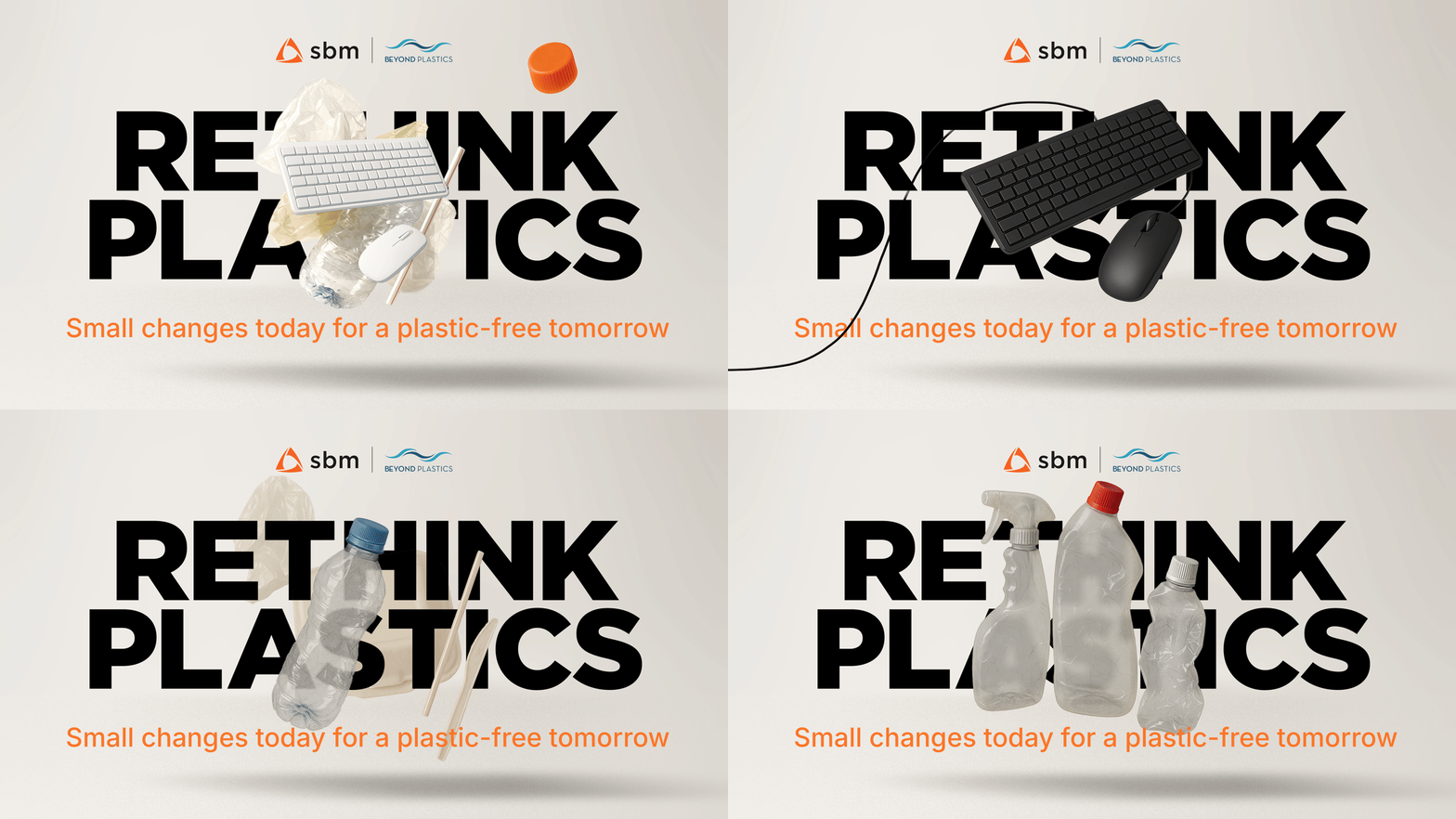
4 Weeks. 4 Topics. One Sustainable Goal.
Register for any or all webinars below to get practical tips and start living with less plastic.
July 9 | Health & Environmental Impacts
July 16 | Black Plastics Are NOT Fantastic
***Registration Links Coming Soon
July 23 | Greenwashing
July 30 | Breaking Up With Plastics
Learn More The Truth About Plastic & How We Can Do Better
Dive into a collection of powerful articles exploring the environmental impact of plastic, the hidden dangers of microplastics, and real-world solutions from communities and innovators around the globe. These resources are here to inform, inspire, and empower your journey toward a plastic-free lifestyle, because change starts with awareness.
2025 Webinar Recordings
- July 1st 🎥 | Plastic Free at Home
- July 8th 🎥 | Bioplastics
- July 22nd 🎥 | Health Concerns
- July 29th 🎥 | Plastic Free at Work
- Great Pacific Garbage Patch
- Curb ‘stupid plastics’ and stop industry BS: urgent actions to prevent a plastic crisis
- Think all your plastic is being recycled? New research shows it ends up in the ocean
- How Did Sea Turtle Get a Straw Up Its Nose?
- The disposable cup crisis: what’s the environmental impact of a to-go coffee?
- Laundry Detergent Sheets Are Poor Cleaners. And Their Sustainability Claims Are Debatable.
- Tremendous amount of plastic floats as nano particles in the ocean
- A Review of Microplastics in Table Salt, Drinking Water, and Air: Direct Human Exposure
- Lifetime Accumulation of Microplastic in Children and Adults
- Americans consume a credit card's worth of plastic particles every week
- Be Picky with Plastics
- Sorry, Your Paper Coffee Cup Is a Toxic Nightmare
- How Much Microplastics Are We Ingesting?: Estimation of the Mass of Microplastics Ingested.
- A Review of Microplastics in Table Salt, Drinking Water, and Air: Direct Human Exposure
- PFAS Explained
- No Plastics In Nature: Assessing Plastic Ingestion from Nature to People
- Which Ceramic Coffee Mugs Are Lead-Free
- The 5R’s to preventing plastic pollution: Refuse, Reduce, Re-use, Repair, Recycle
- What You Can Do - Ideas & Solutions
- Sian Sutherland: "Innovating the Business of Plastics”
- Plastic-Free Packaging Design Guide
- How to create a ‘world without waste’? Here are the plastic industry’s ideas.
Know a resource we should feature? Suggest an article, study, or product you think belongs here!
Plastic Free Products
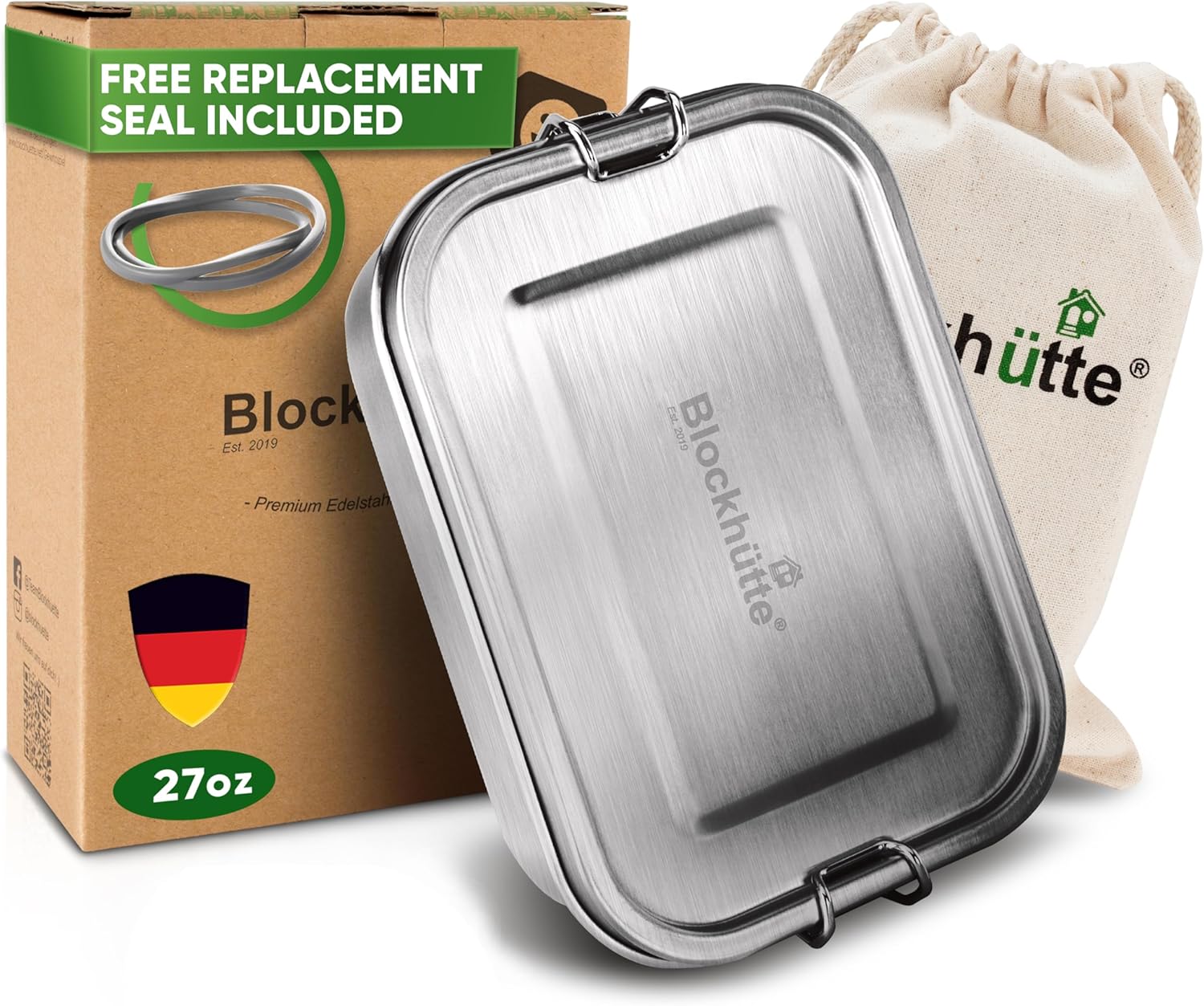
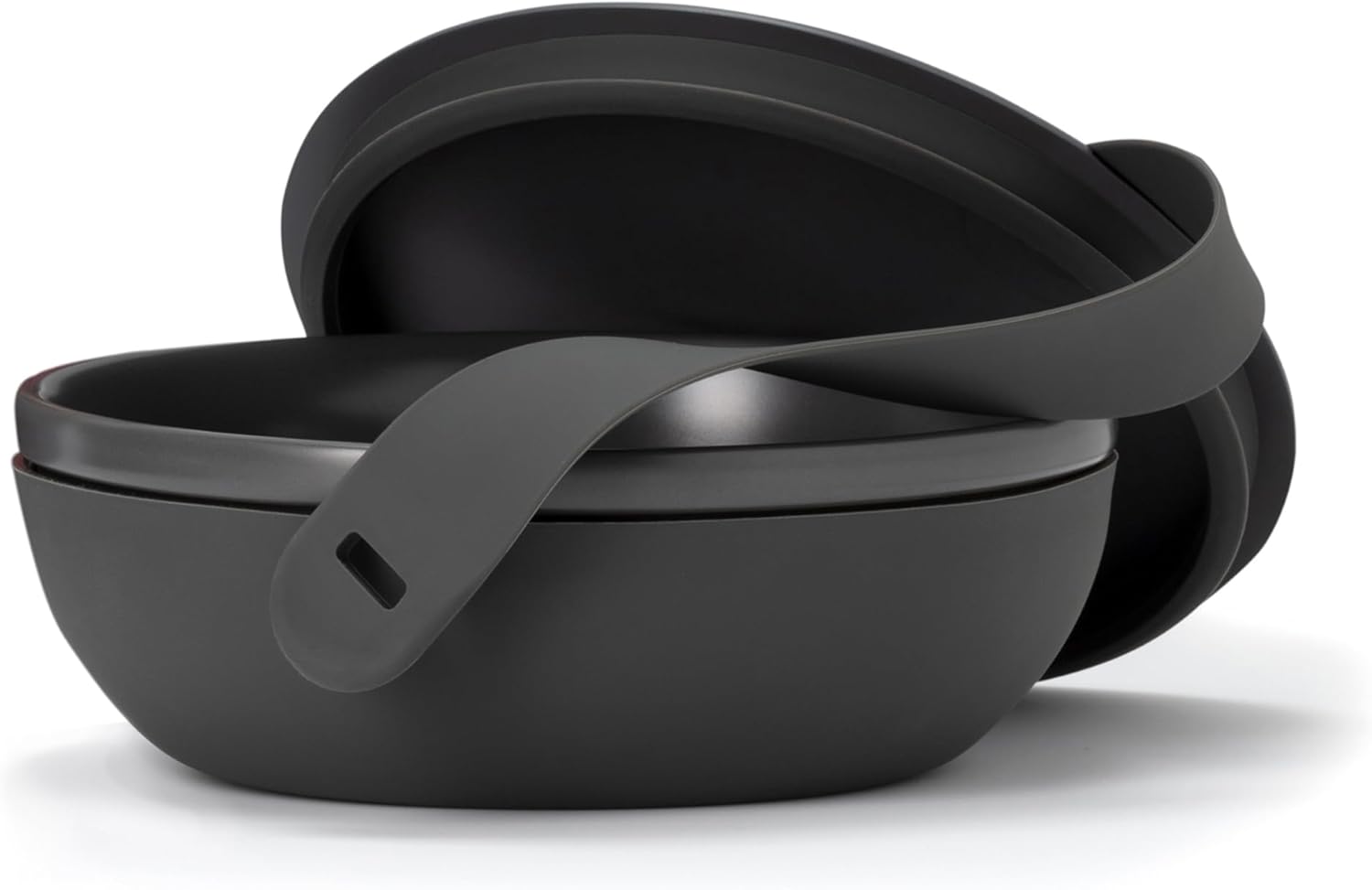
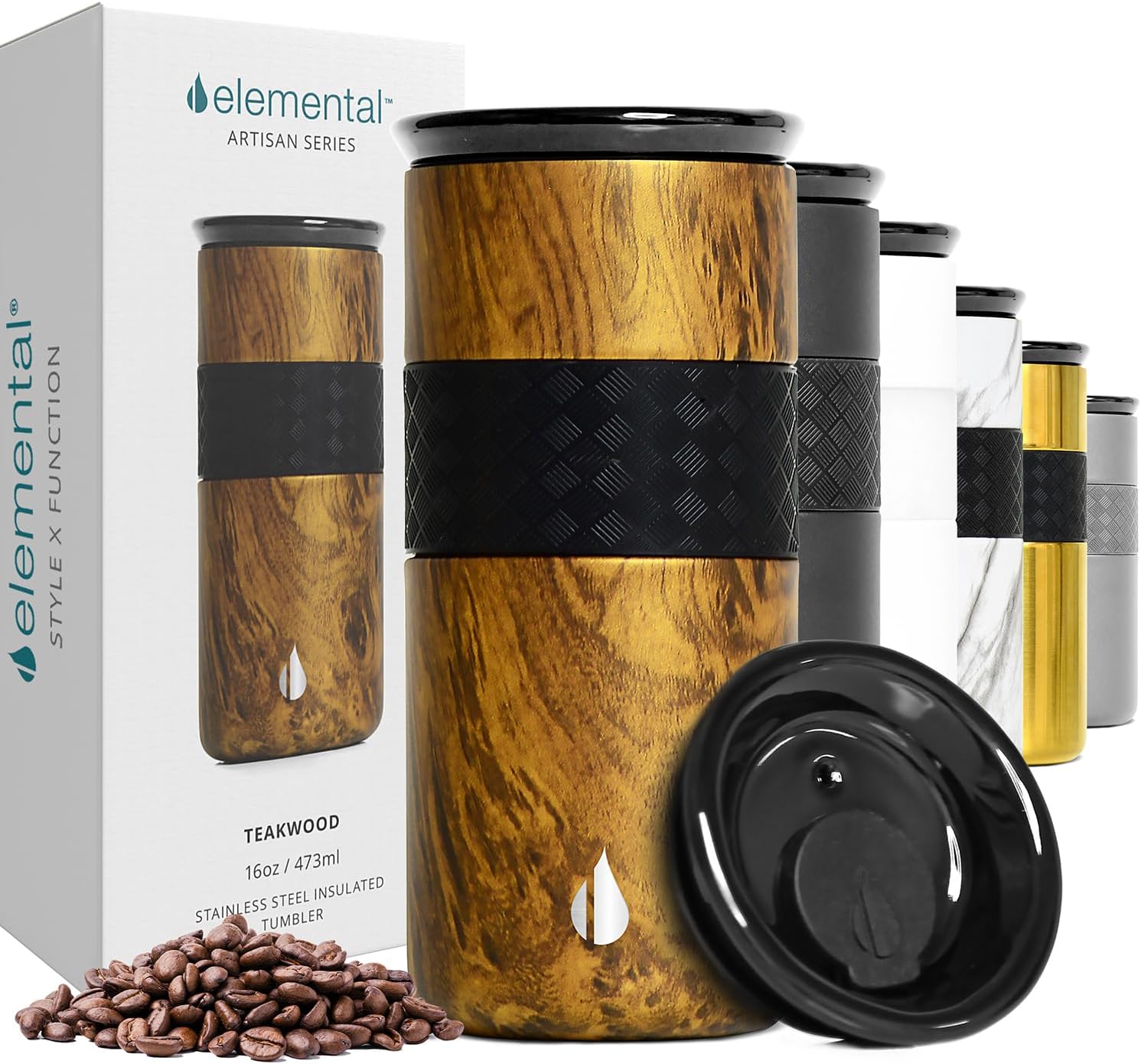
Rethink Plastics Retailers
Blueland Household Products
Blueland is on a mission to eliminate single‑use plastic through its innovative reusable “Forever Bottles” and concentrated cleaning tablets. Blueland has diverted nearly 2 billion plastic bottles, entered major retailers such as Target, Whole Foods, and Costco, and expanded into personal-care products. All while earning accolades for efficacy, design, and sustainability.
Grove Household Products
SeaBar Personal Care Products
Wild Personal Care Products
Wild is a UK-based company on a mission to eliminate single-use plastic from personal care products. They first debuted in 2020 with the world’s first 100% plastic-free, compostable deodorant refill, packaged in a reusable aluminum case. Their fully biodegradable refills are made from bamboo and plant starch, breaking down faster than a banana peel, and avoid any plastic waste.
Ethique Personal Care Products
Dropps Laundry Products
Dropps is a Pennsylvania-based company and a pioneer in eco-friendly cleaning, known for launching the first plastic-free laundry pods in 2005. Their ultra‑concentrated, USDA‑biobased formulas are free from dyes, parabens, phosphates, optical brighteners, and chlorine, and are packed in recyclable paperboard boxes, helping to eliminate over 8 million plastic tubs and jugs to date
Dropps offers a variety of targeted pods, including Laundry Odor & Stain, Sensitive Skin & Baby, and Activewear, as well as dishwasher and fabric-care options.
Meliora Cleaning Products
Meliora (Latin for “better”) is a woman-owned company based in Chicago, crafting non-toxic, plastic-free home care essentials. Founded by environmental engineers, every product (laundry powder, oxygen brightener, soap sticks, all-purpose cleaner, dish and hand soap) is formulated using transparent, safe ingredients that are fully disclosed on labels and online. Their packaging eliminates single‑use plastic (no pods, liners, plastic jugs, or tape) with refillable glass bottles, paperboard boxes, and stainless steel scoops.
Ethical Superstore Personal Care Products
Neat Household Products
Neat Clean is a UK-based company transforming household cleaning with zero single-use plastic. Their award-winning system pairs sleek, reusable aluminum bottles (made from 100% recycled materials) with ultra-concentrated, plastic-free refills. Just add tap water to make effective, plant-based hand wash, body wash, surface cleaner, dish spray, toilet cleaner, and dishwasher tablets
A Public Shop
Public Shop is more than a store! It’s a community-powered zero-waste hub in West Seattle offering thoughtfully curated, reusable, and refillable essentials to dramatically cut household plastic waste. From cleaning “bombs,” hyaluronic face moisturizer refills, kids' toothpaste tablets, to silicone eye masks and bamboo pot scrapers. They carry only products they use and believe in.
Handmade La Conner Products
Handmade La Conner is a small-batch bath, body, and home care brand rooted in La Conner, Washington. Founded in 2009, each product (from hand wash and lotion to shampoo, laundry soap, and dishwasher cubes) is crafted by hand using clean, plant-based ingredients, pure essential oils, and sustainable packaging.
The Story of Plastic Animated Short
Plastic is made from oil and fracked gas, harming marginalized communities from the start due to extraction pollution. Fossil fuel giants are expanding plastic production, even as the current supply exceeds demand. Much of it ends up in unprepared communities across Asia, Africa, and Latin America. 32% of plastic ends up in nature, 40% in landfills, 14% is incinerated, and only 2% is effectively recycled. Recycling often fails, and incineration is toxic.
Dr. Shanna Swan Common Chemicals That Severely Alter Your Hormones
Dr. Shanna Swan reveals that sperm count has dropped by more than 50% in the past 50 years. The rate of decline has now doubled to 2.64% per year since 2000, a worrying trend with a global scope, confirmed by recent data from Asia, Africa, and South America.
It’s Not Just Shein: Why Are ALL Your Clothes Worse Now?
More Perfect Union revisits Abercrombie and finds it to be more affordable but significantly lower in quality, sparking curiosity about whether clothing quality has declined universally over time.
Dr. Shanna Swan A Global Fertility Crisis
Dr. Shanna Swan initially doubted claims of declining sperm count but after rigorous analysis of 61 studies, she confirmed a consistent and dramatic drop — nearly 59% from 1973 to 2011.
The Story of Bottled Water
Bottled water is marketed as purer and safer than tap water, but tests often reveal the opposite: tap water is cleaner, tastes better, and is far cheaper. Corporations created a false demand using fear, fantasy, and misinformation. Many bottled store-bought waters are made from filtered tap water. Producing plastic bottles consumes a massive amount of oil and energy. Disposal is worse: 80% of waste is landfilled or incinerated, releasing toxic waste. Much of the rest is downcycled or dumped abroad. With misleading ads and images of purity, companies obscure the truth about plastic pollution and the state of our water sources.
Start small, swap smart, and share this page to help others join the movement toward a plastic-free future. Take the next step:
→ Make one plastic-free swap today
→ Share these resources with a friend
→ Support a featured brand that aligns with your values